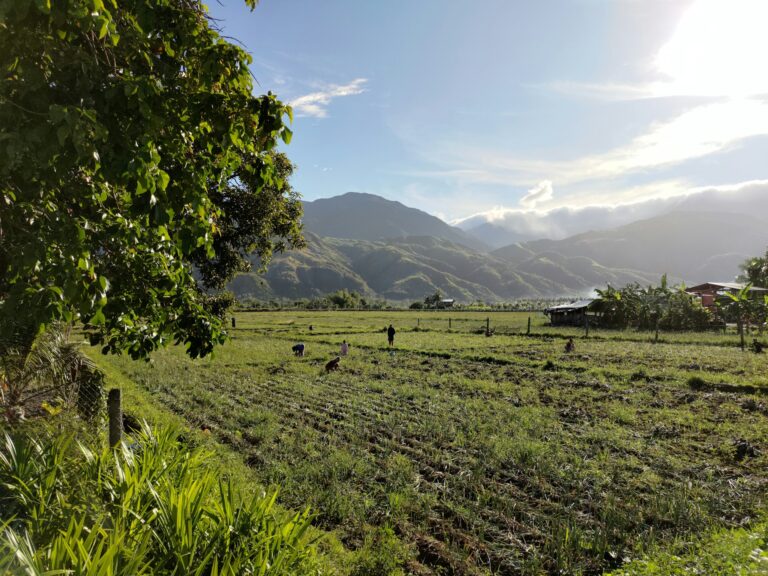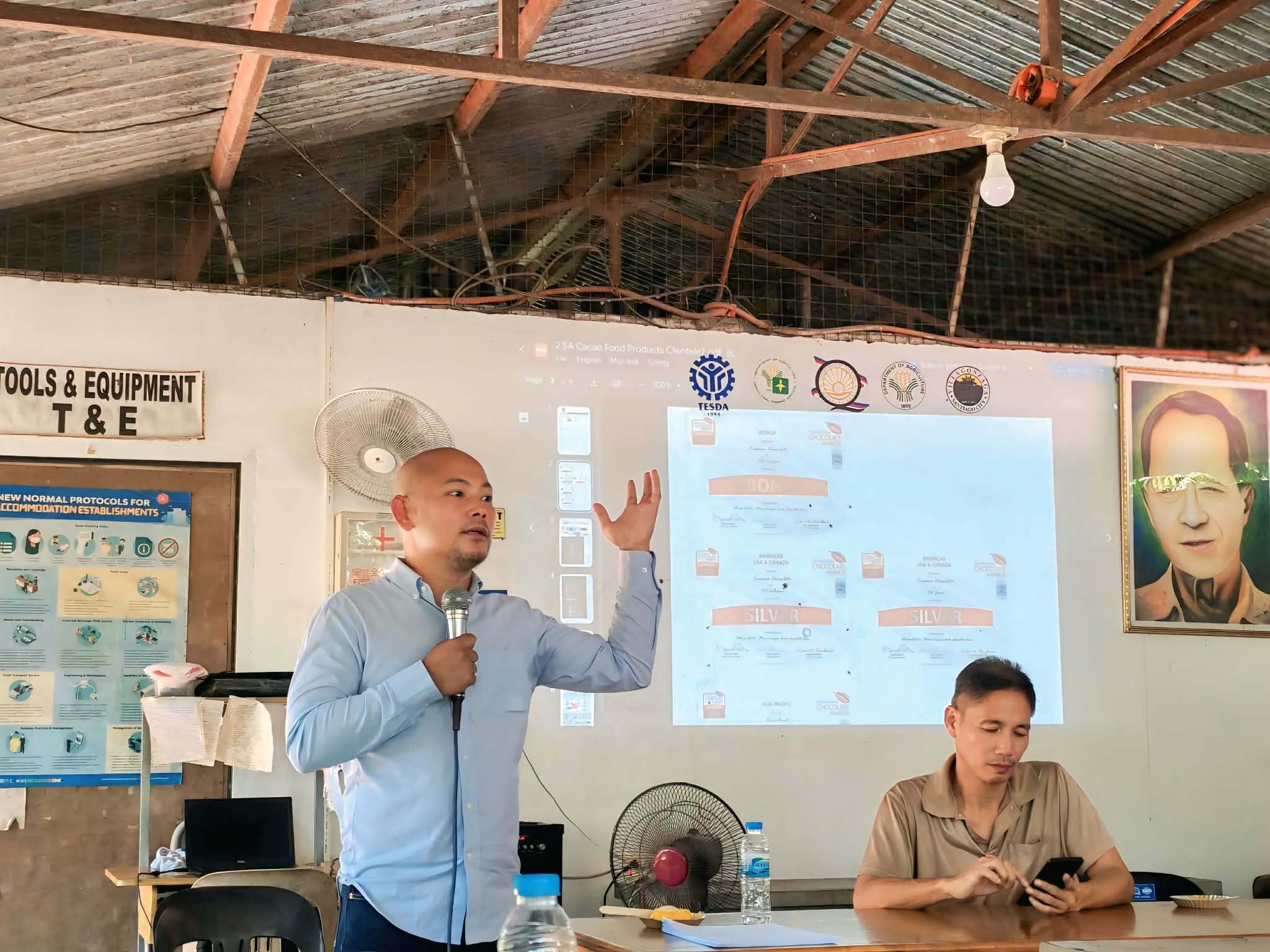
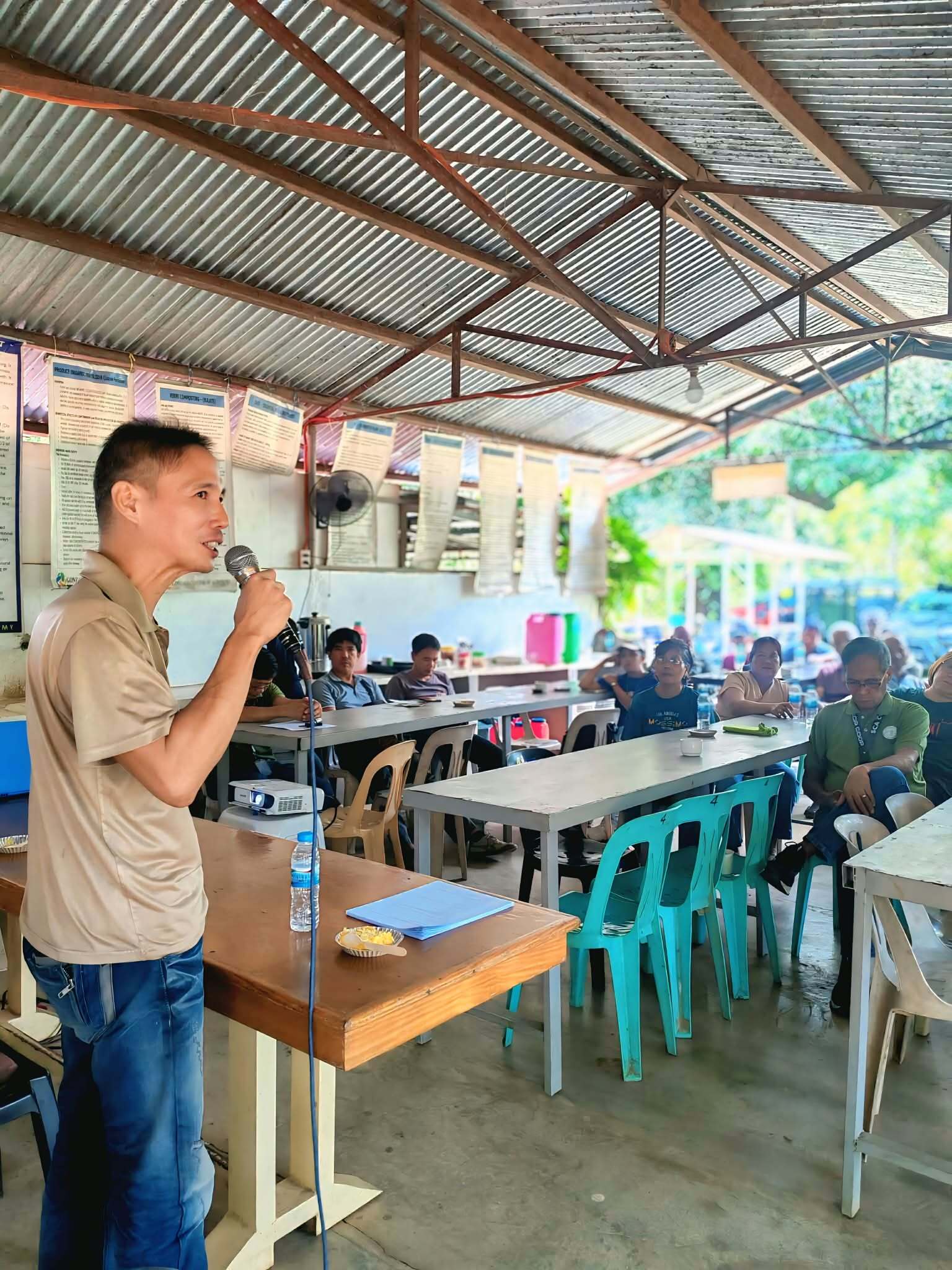
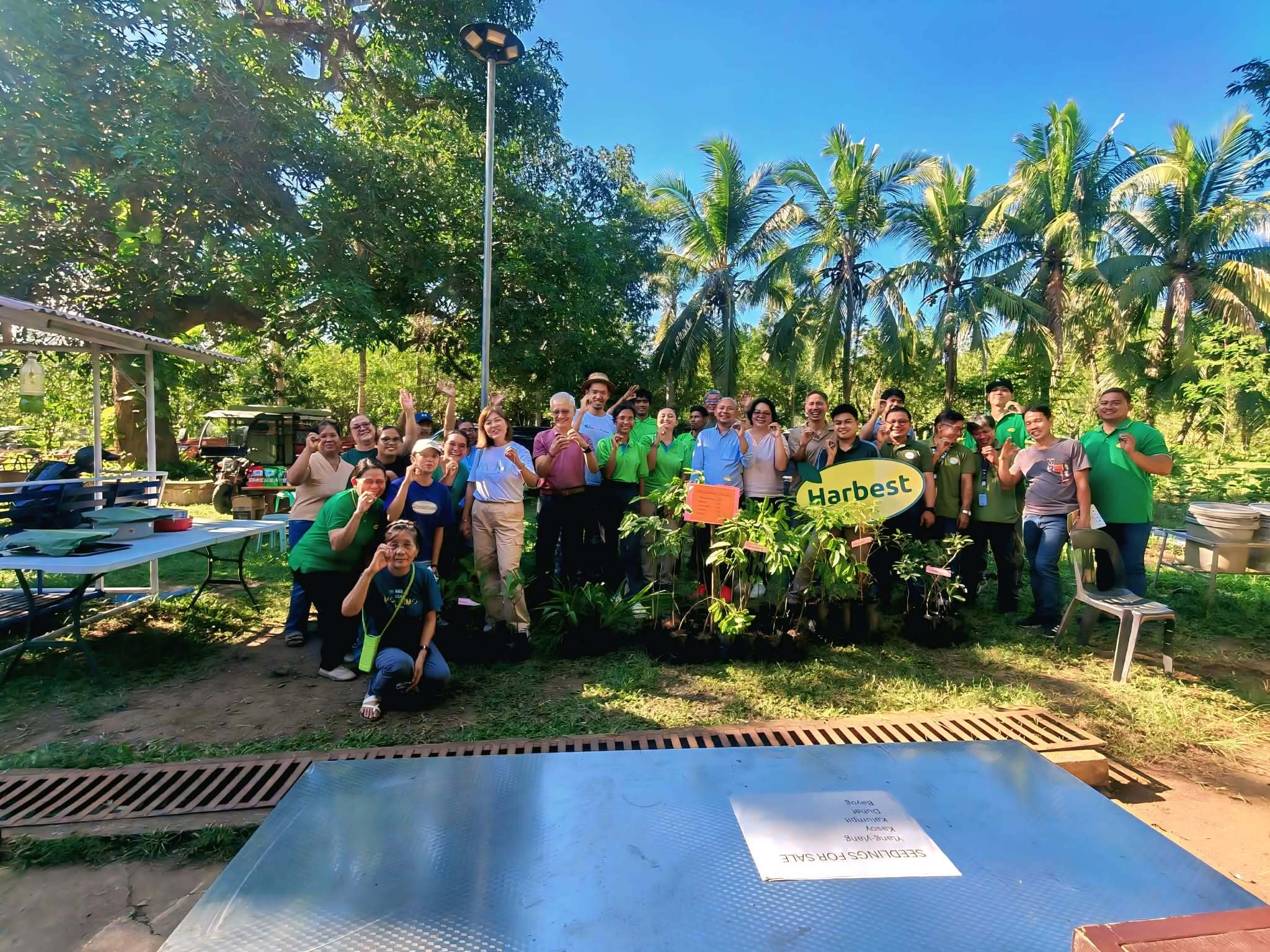
The Scientific Bayanihan: Pagtatagpo sa Santiago de Carig was more than a gathering of cooperators, farmers, educators, practitioners, and community advocates. It marked the launch of a nationwide roadshow introducing a 90-day Sprint Model. This initiative activates pilot sites across the country, empowering Filipino communities to strengthen their resilience amid increasingly complex and interconnected risks.
Organized through the collaboration of the Santiago City Agriculture Cooperative (SCAC), Baganihan Collective, Mycelium Learn, community partners, and local stakeholders, the Santiago gathering demonstrated the value of uniting diverse forms of knowledge around a common purpose.
Rather than treating resilience as the sole responsibility of the government or a single institution, Scientific Bayanihan views resilience as a capability that communities themselves can actively develop.
This collective approach is essential for navigating the modern polycrisis—a term describing a situation where multiple distinct crises, such as climate change, economic instability, geopolitical conflict, health emergencies, and food insecurity, occur simultaneously. Because these crises are deeply interconnected, they amplify and worsen one another, creating complex challenges that cannot be solved by addressing any single issue in isolation.
The gathering highlighted several vital community contributions. Earl Colegado, founder and president of Adam Bean to Bar Crafted Chocolate, demonstrated how resilience is built through local value chains. His success with cacao showed that agricultural resilience goes beyond food production; it relies on transforming local resources, sustaining livelihoods, retaining value within communities, and directly connecting producers with consumers.
Additionally, Sixto Bereber of the Philippine Permaculture Association (PPA) shared insights on ecological resilience, emphasizing agricultural systems that work alongside natural processes and local resources. Dr. Jabez Flores of the University of the Philippines Open University highlighted the power of education, information, and data to drive community learning. Bob Marvin, owner of Harong sa Iraya and a founding member of Pacita Organic Garden, contributed practical strategies from community-based food and gardening initiatives.
Together, these unique perspectives reinforced a core principle: resilience is not created by a single expert, organization, or technology. Instead, it emerges organically from the relationships built among people, places, knowledge, resources, and capabilities.
This is the essence of Scientific Bayanihan. Like the biological mycelium from which it takes its name, the Mycelium platform serves as the connective layer between separate community nodes. Each participating community brings its own unique assets, challenges, practices, and lessons. While one community may excel in food production, others might lead in disaster preparedness, indigenous ecological knowledge, or livelihood development. Mycelium integrates these diverse experiences into a living, nationwide library that documents the people, practices, observations, and experiments generated by each node.
In this model, Santiago is the vital first node, not the final destination. As the 90-day roadshow travels to new communities and institutions, every new node contributes its own insights while gaining access to the shared knowledge of the network. This makes the network increasingly valuable as more participants add new relationships and practical capabilities.
This framework shifts the traditional approach to community development. Instead of dropping a pre-packaged program into a community, the roadshow discovers, documents, connects, and amplifies what local residents are already capable of doing. Every community becomes both a learner and a teacher. Each successful local project serves as a Patotoo—a proof of concept under real local conditions—that can be adapted and shared across the network.
For the Baganihan Collective, this methodology positions Bayanihan as a Civilizational Resiliency Technology. Technology does not require machines or software; it can be a repeatable method for organizing human relationships, resources, and collective action.
Bayanihan has thrived in Filipino culture long before modern concepts of enterprise risk management or disaster preparedness emerged. The current opportunity lies in intentionally scaling this cultural capability to withstand the complexities of today’s global polycrisis.
The 90-day roadshow is an active experiment in putting these principles into practice: Observe. Connect. Learn. Experiment. Document. Share. Adapt. Repeat.
Through Mycelium Learn, the stories and data gathered from each node remain preserved as a growing collective memory.
Future participants can easily discover past experiments, connect with experienced peers, and adapt proven practices to their own local contexts.
The ultimate goal extends far beyond a 90-day event schedule; it is about sparking a permanent, nationwide resilience knowledge network.
About the Author